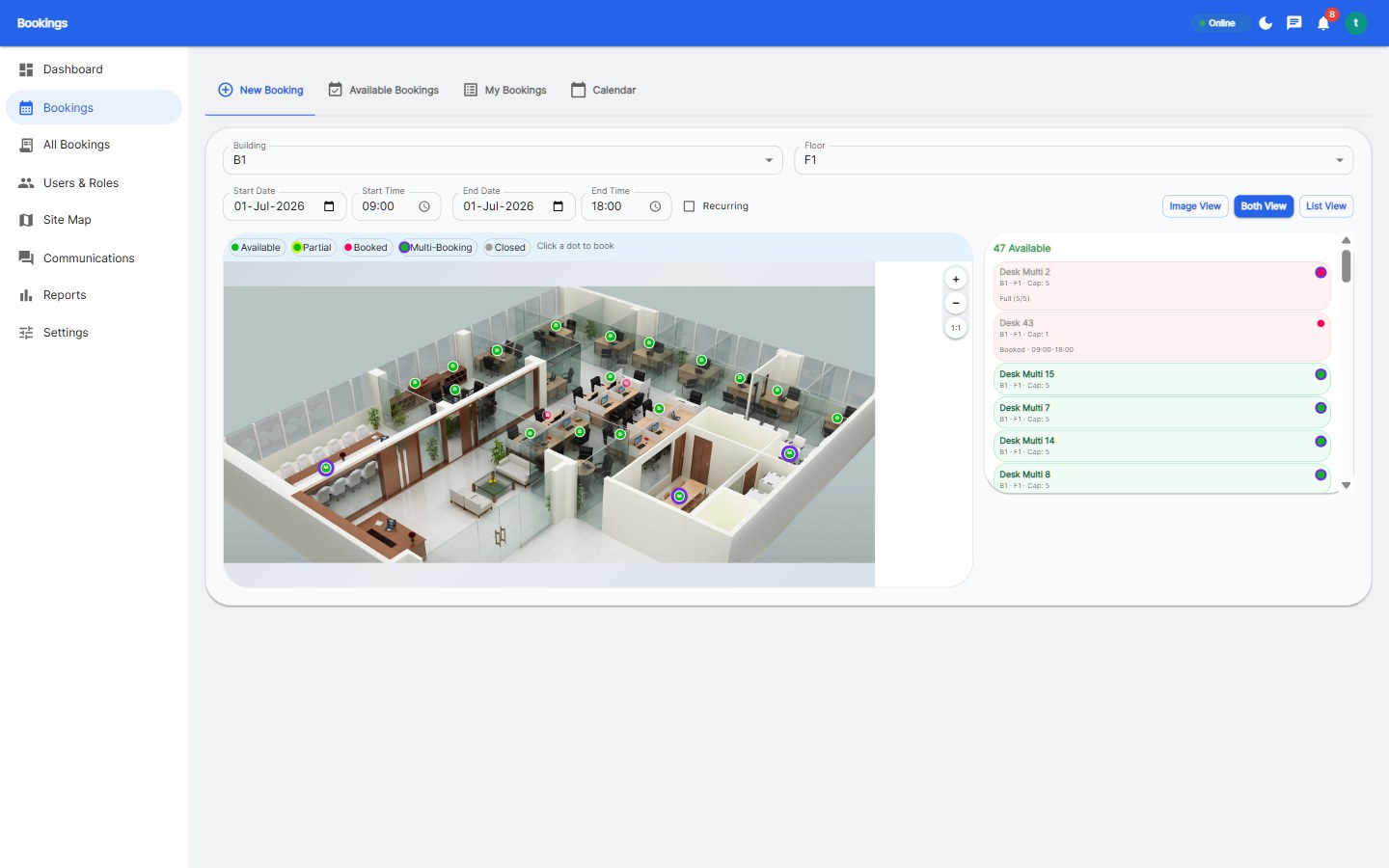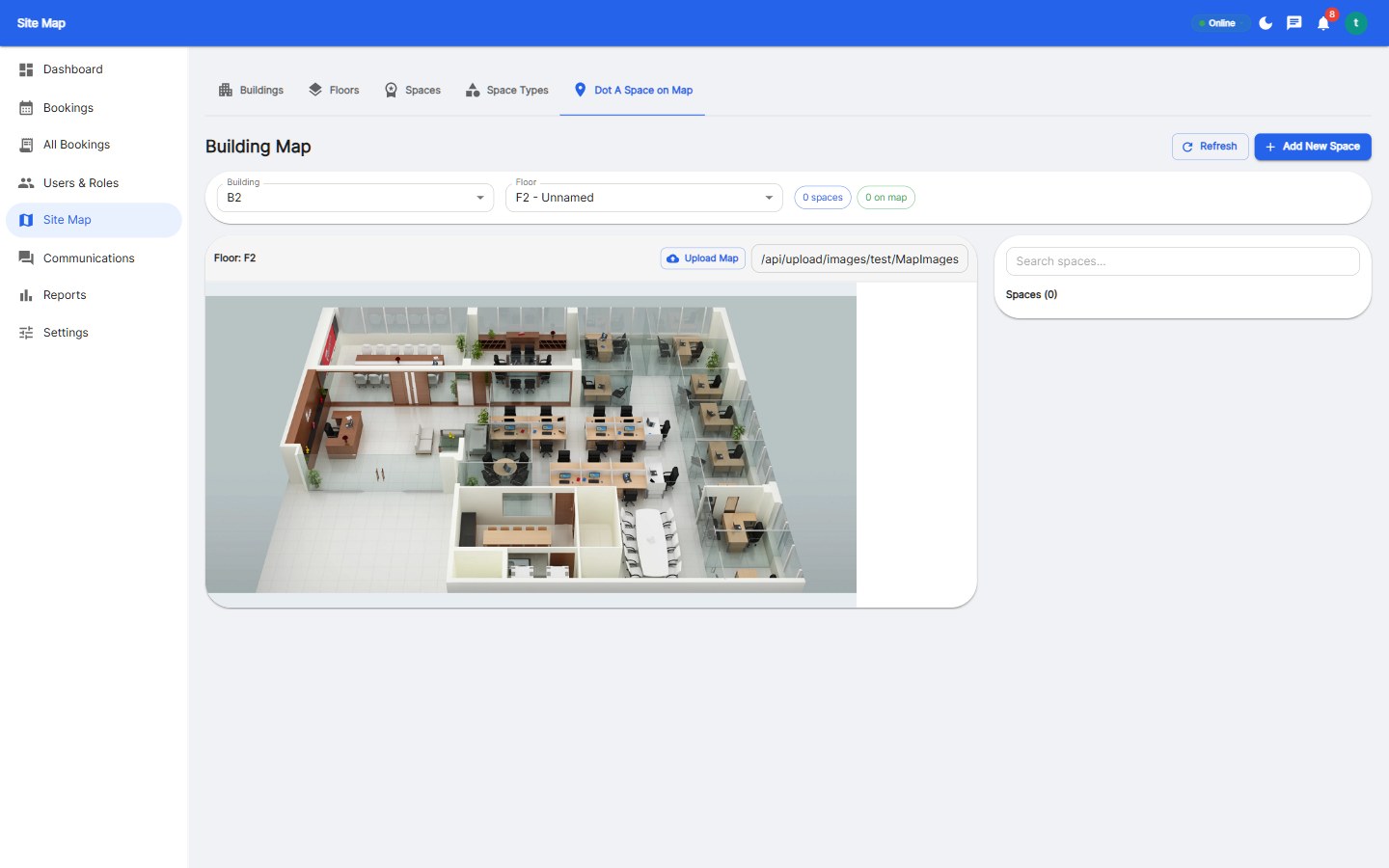
Activity-based working (ABW) is a workplace strategy where employees choose a setting that matches the task at hand — rather than owning a single fixed desk. A typical ABW floor combines focus zones, collaboration areas, meeting rooms and quiet booths, and relies on booking so people can find the right space.
ABW is sometimes called activity-based working, "activity based workplace" or simply ABW. It is a design and policy philosophy, not a single tool: the physical layout provides a range of settings, the policy tells people how to use them, and booking software makes them findable.
These are often confused. The distinction matters for planning:
| Aspect | Hot desking | Activity-based working |
|---|---|---|
| Core idea | Any free desk, first booked | The right setting for the task |
| Space types | Mostly desks | Focus, collaboration, meetings, quiet, social |
| Key enabler | Desk booking + check-in | Booking for every space type |
| Main risk | Feeling of "no home" | Over-complexity, poor wayfinding |
Most hybrid offices use hot desking for the desk layer and ABW to organise the rest of the floor. See our complete desk booking guide for the desk layer.
Plan ABW ratios from observed behaviour, not opinion. Useful starting ratios for a 100-person hybrid workforce on a peak day:
| Space | Starting ratio |
|---|---|
| Focus / individual desks | 0.6–0.8 per person expected on site |
| Meeting rooms | 1 room per 8–10 people on site |
| Huddle / phone booths | 1 per 6–8 people on site |
| Collaboration tables | ≈ 1 seat per 2 desks |
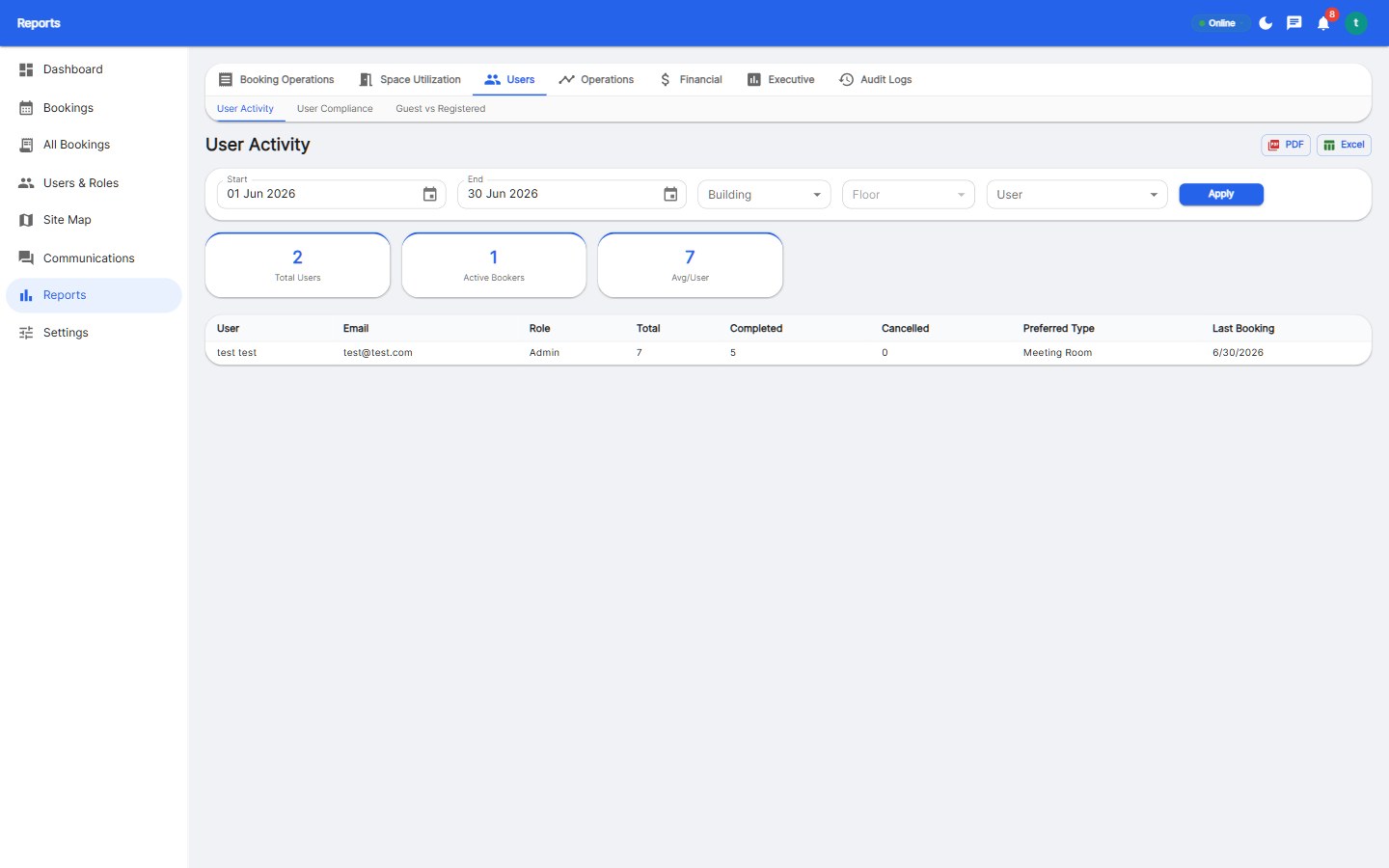
Validate the ratios with real data after a month using utilization metrics.
Activity-based working is a workplace strategy where employees choose a setting based on the task — focus, collaboration, meetings or calls — rather than using one fixed desk. It requires a mix of space types plus booking so people can find the right space.
No. Hot desking concerns desks only. ABW is broader: it organises the whole floor into activity-specific settings and usually relies on booking for every space type.
Because ABW raises utilization by matching space to demand, many hybrid offices consolidate 20–30% of their footprint. The saving depends on your current utilization and ratio; model it with the ROI calculator.
Over-complexity and too few call booths. If people cannot quickly find the right space, they default to a desk and the model loses its benefit.
For anything beyond a small office, yes. ABW depends on people being able to see what is free and book it, which is what workspace booking software provides.

Enterprise workspace management platform. Book desks, meeting rooms, and parking spots in seconds.
Get product updates and workspace tips.