The 10 hot desking etiquette rules are: book before you sit, check in on arrival, leave the desk clean, never leave personal items overnight, take calls in call rooms, respect quiet zones, share equipment thoughtfully, don't 'squat' on desks you didn't book, free the desk when you leave early, and report issues instead of gossiping. Teams that follow them enjoy fair, frictionless desks.
Hot desking fails for social reasons before technical ones: the colleague who stores luggage on 'their' desk, the meeting that spills into the quiet zone, the desk booked but never used. Etiquette is the social contract that keeps shared space fair - and the booking system is what enforces the parts etiquette cannot.
Good etiquette has a multiplier effect: when everyone follows the rules, nobody needs to police anyone, and the office feels calm instead of contested. It is the difference between hot desking as a perk and hot desking as a turf war.
Managers set the norm. A team lead who books, checks in, and clears their desk visibly signals that the rules matter - and employees mirror leaders faster than they follow memos.
Rules 1, 2, and 9 are software-enforceable; the rest are social. The office that encodes the first three and communicates the remaining seven gets the best of both worlds.
The rules that software can enforce should be enforced by software: check-in windows, no-show auto-release, and fairness caps on premium desks. That leaves employees with the human half - cleanliness, consideration, and zone behavior - which is exactly where etiquette belongs.
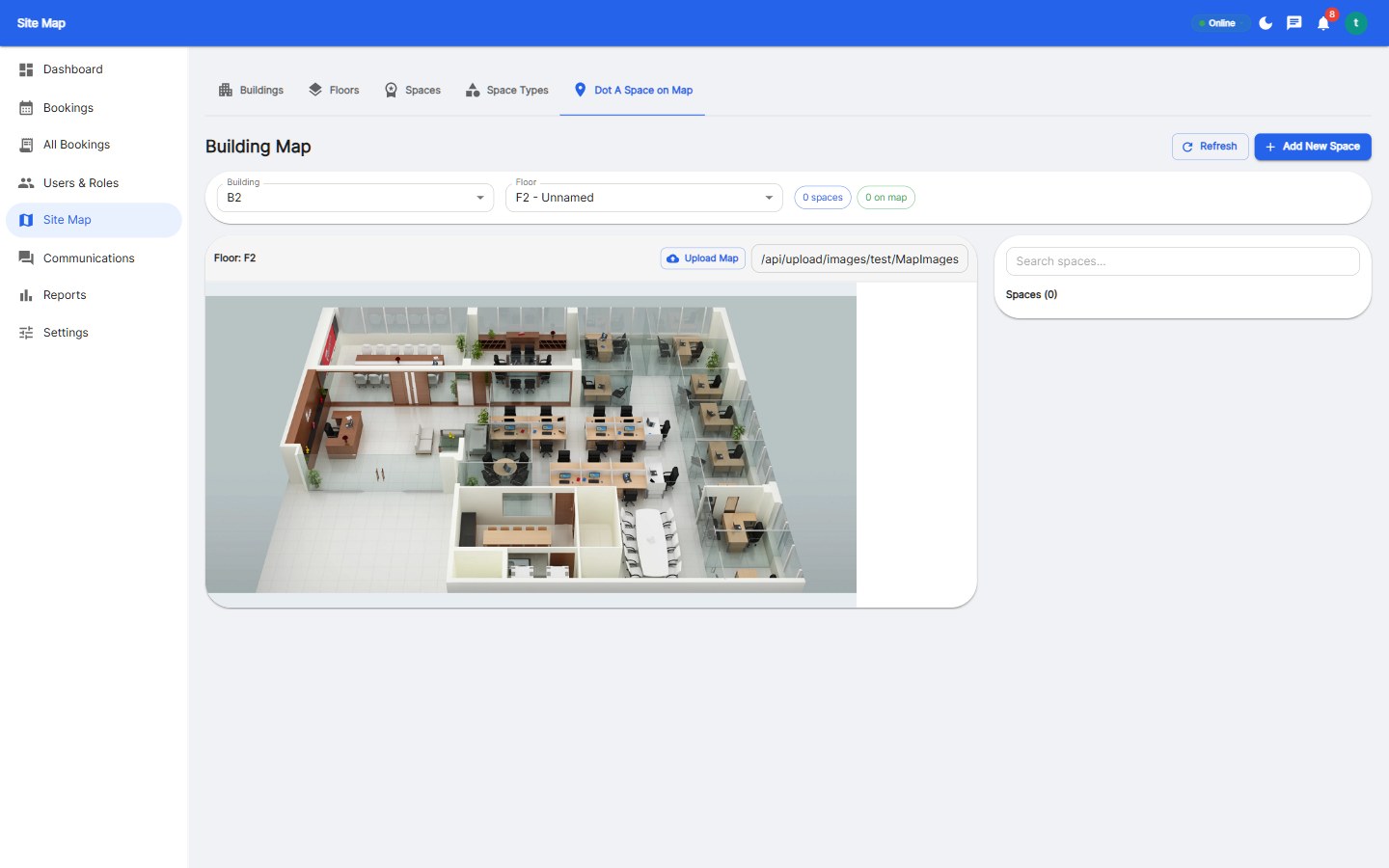
A visible floor map with live names is the quietest enforcer of all. When everyone can see who booked what, the social contract enforces itself - and etiquette becomes the norm, not the exception.
The unwritten rules of shared desks: book before sitting, check in, leave desks clean, no overnight items, take calls in call rooms, and respect zones. Software enforces the mechanical rules; etiquette covers the social ones.
Combine a booking system with check-in enforcement and a visible map. When every desk shows a booker's name, squatting becomes socially impossible rather than merely discouraged.
Depending on your office policy, the desk may auto-release to the pool after the grace period, and repeated no-shows may temporarily restrict advance booking privileges.
Make the rules automatic, keep the culture human.
Start your free 30-day trial at Reservete.com - no credit card required, full access to every feature.

Enterprise workspace management platform. Book desks, meeting rooms, and parking spots in seconds.
Get product updates and workspace tips.